

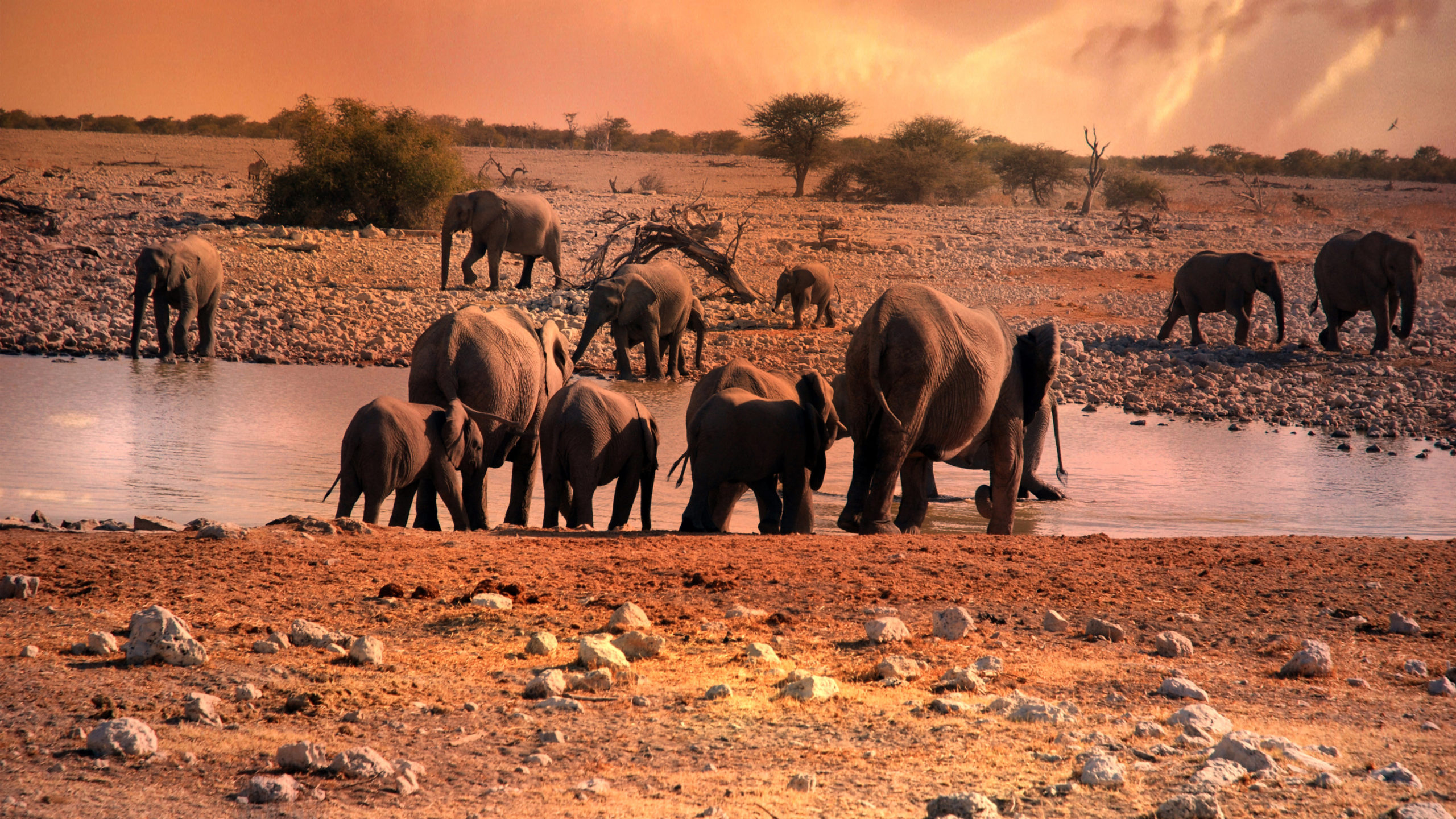


Increased human and elephant population, climate change, decreased conservation areas and their effects on human wildlife conflicts and positive conservation efforts.
Human population increase resulting in encroachment into wildlife habitats and migratory routes has led to increased conflicts between wildlife and humans. Wildlife is an important resource as it promotes the tourism sector which is a key driver of Kenya’s economy and it contributes nearly 10% of Kenya’s GDP. The Tsavo landscape in Taita-Taveta County is one of the premier wildlife conservation areas and tourism destination in Kenya.
This landscape is a Human-Wildlife Conflict (HWC) hotspot. This is mainly due to an effort by humans to adapt to effects of climate change and improve their livelihoods which inadvertently negatively affects wildlife habitats and increased competition for resources.
Kenya Wildlife Services {KWS} being the main Government body mandated with wildlife conservation has been involved in diverse measures to resolve HWC and ensure coexistence between humans and wildlife. Some interventions by KWS to address HWC include creation of community conservancies, awareness, trainings, recruitment of rangers and scouts, development of management plans, erecting electric fences, increasing watering points for both wildlife and domestic animals, improving community livelihoods, compensation for victims, and establishment of County wildlife conservation committees among others.
HWC is fast becoming a critical threat to the survival of many globally endangered species. Crop destruction, livestock loss, human death and injuries are effects of HWC which lead to community retaliation in addressing the problem animals through spearing, poisoning, and snaring.
Taita Taveta County is home to Tsavo East and Tsavo West National Parks and this has made it number one hotspot with intense HWC in Kenya. For many years, residents of Taita Taveta have endured the constant threats of human-wildlife conflict.
Due to HWC, communities in Tsavo landscape have experienced loss of human lives and injuries, crop destruction, damage to property and these are fueled by competition for resources, encroachment, climate change, poaching, incompatible land use practices, compensation taking too long, lack of benefit sharing to name some
Tsavo landscape hosts the largest population of elephants in Kenya, the agricultural activities by communities make crop-raids by elephants rampant. Frequent HWC incidences influences the attitudes of communities towards wildlife leading to failure of biodiversity conservation measures that rely on local people.
In a report by Africa Wildlife Forum {AWF} the population of elephants increases by 5% annually in Kenya having been estimated at 36,280 in 2021 and of this population 15,989 are found in tsavo-mkomazi landscape between Kenya and Tanzania. As a result of increased populations of humans and wildlife and other underlying causes of HWC, there is urgent need by all conservation stakeholders to collaboratively take appropriate measure towards protection of biodiversity and maintaining community livelihoods while advocating for co-existence.
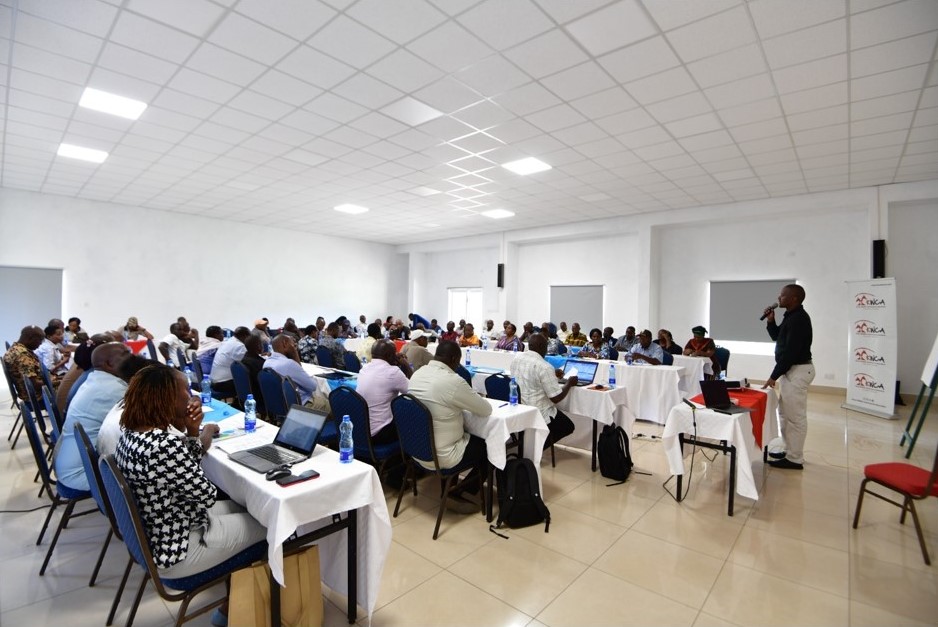
To achieve the objectives of promoting species conservation, community participation in conservation, policy advocacy and empowerment of community to protect biodiversity Adept Conservation Network (ACN) collaboratively with Kenya Wildlife Conservancies Association (KWCA), Kenya Wildlife Service (KWS), Wildlife Research and Training Institute (WRTI) with support from World Wildlife Fund (WWF) conducted a two day consultative and sensitization workshop in Voi on 31st January and 1st February 2023 on Human Wildlife Conflict for 27 conservancies and ranches bringing together 64 participants from the local community to engage stakeholders in discussion on HWC and viable solutions. Through active engagement, participants were taken through relevant topics to increase their awareness around HWC issues. These included human wildlife conflicts mitigation measures, stakeholders in HWC and their respective roles, nature of conflicts and their causes and policies and legislations related to HWC.
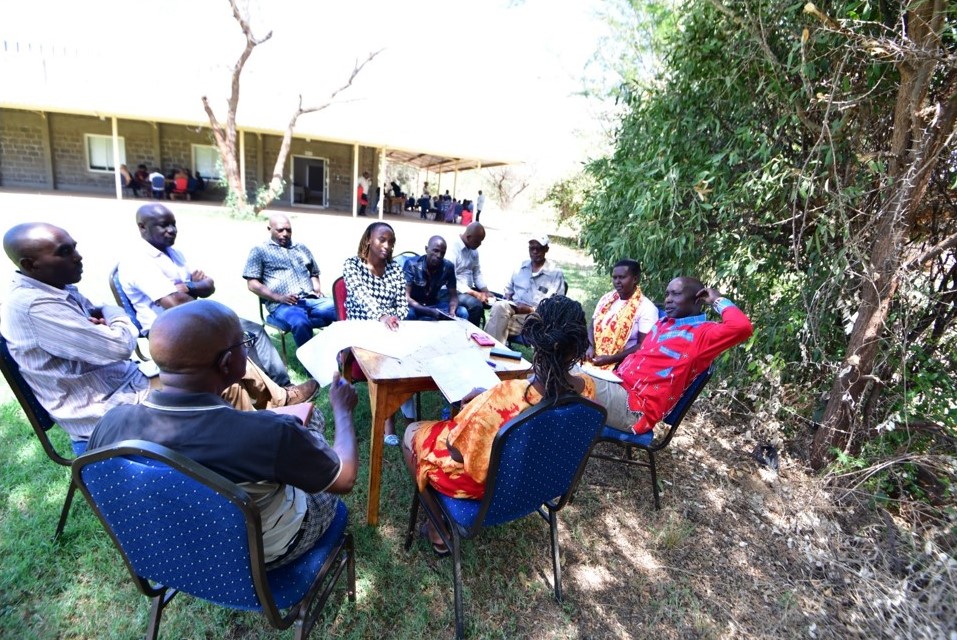
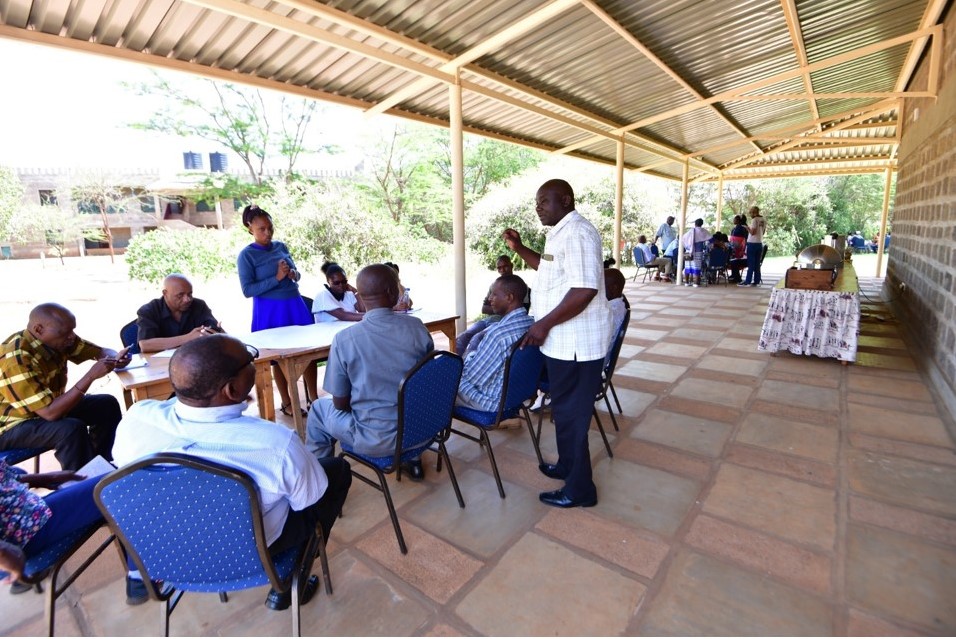
Wildlife is an important resource for the County and the local community alike and despite the numerous challenges, there is an opportunity for all stakeholders in conservation to get involved in measures to reduce human-wildlife conflicts, improve community livelihoods and overcome other conservation challenges. Some mitigation measures highly recommended by community viable to Tsavo landscape and other similar ecosystems are continued awareness creation, proper planning and coordination of HWC activities, capacity building, restoration of degraded sites, installation of wildlife deterrent structures, proper benefit sharing and compensations, involvement by community in HWC policy processes, development of management plans among others.
There was general consensus among participants over the success of this workshop in raising awareness and giving respectful audience to the communities to voice their opinions and to give home-grown solutions to the HWC problem in the County
